
Smoked Beef Birria Taco’s
January 16, 2022
Smoked Beef Cheeks
January 19, 2022
What's the point of resting meat?
When I started delving into the world of barbecue, one of the first things I encountered that didn’t make sense to me, was the phrase resting meat. Outside of barbecue or the world of professional cooking, resting isn’t something that we hear about often, but it is hugely beneficial.
Resting is a technique used, after the meat has been removed from your cooker. The technique is simple. Remove the meat from the heat, loosely tent it in foil, so that there is still air able to pass along it and then…that’s it! You are literally allowing the meat to sit and do nothing for a little while.
When you place your meat down on a hot surface like a skillet or in a hot environment like a smoker, the fibers of the meat tighten and the moisture inside the meat begins to be forced out. You can see this when you cook something in a foil pan or roasting dish. The meat can go in with no added moisture, but when finished cooking, there is juice left behind.
Similarly, it is easy to see when you have finished cooking, the size of the meat when cooked can be significantly different than the size the meat was when it entered the cooker. This is due to the fibers contracting and tightening, which pull the meat in on itself.
When your meat is finished cooking, you end up with a piece of meat that has a pile of juices crammed inside it but is too small to hold it comfortably. If you were to cut the meat at this point, all those juices which are barely held inside will immediately flow out onto your plate, leaving behind a piece of dry, unexciting piece of meat.
So, what is resting?
Resting is a technique used, after the meat has been removed from your cooker. The technique is simple. Remove the meat from the heat, loosely tent it in foil, so that there is still air able to pass along it and then…that’s it! You are literally allowing the meat to sit and do nothing for a little while.
What’s the point?
When you place your meat down on a hot surface like a skillet or in a hot environment like a smoker, the fibers of the meat tighten and the moisture inside the meat begins to be forced out. You can see this when you cook something in a foil pan or roasting dish. The meat can go in with no added moisture, but when finished cooking, there is juice left behind.
Similarly, it is easy to see when you have finished cooking, the size of the meat when cooked can be significantly different than the size the meat was when it entered the cooker. This is due to the fibers contracting and tightening, which pull the meat in on itself.
When your meat is finished cooking, you end up with a piece of meat that has a pile of juices crammed inside it but is too small to hold it comfortably. If you were to cut the meat at this point, all those juices which are barely held inside will immediately flow out onto your plate, leaving behind a piece of dry, unexciting piece of meat.
Stop the madness!
Luckily, resting meat is super simple and massively effective.
By pulling the meat out of the cooker and letting it sit and slowly lower itself in temperature, you are allowing the fibers of the meat to relax and the liquid inside to settle in. The slower the meat lowers in temperature (within reason) the better that is for you. For this reason, I like to loosely tent the meat in foil as it rests. This is exactly what it sounds like. Place the meat on a tray, take a large piece of foil and form a shape like those old-school-style pup tents. Let this sit so that there is some heat reflecting onto the meat, but also plenty of room for the air to get at it and allow it to lower in temperature.
By tenting in foil, we are slowing down the lowering of the internal meat temperature, but also not damaging our bark, which we would do if we were tightly wrapping in foil.
As you can imagine, larger pieces of meat require more time to rest. A piece of steak might rest for ten minutes, whereas something big, cooking for a long time like a brisket or a pork shoulder can take an hour. The length of rest time will depend on the type of meat and how it was cooked, so you absolutely want to make sure that you factor this in when planning out your cooks.
My general rule of thumb is to allow the meat to rest for about 10-15 minutes per pound. This can be challenging as the weight of the meat at the end of the cook can be significantly different to the weight of the meat that went on to the cooker. You are likely going to have to do a bit of guestimating here, but it doesn’t have to be too exact.
And that is it! Once you have rested your meat for the appropriate time, remove the foil and slice/carve the meat. You will find that the meat is significantly juicier, far more tender and a much more pleasant eating experience.
So, give it a go. Experiment with different resting times and foil constructions. Do you prefer using a wire rack underneath the meat, or letting it sit in the cooking juices as it rests? There is no real wrong way to do it. If it is the way that you like it, you are winning!

Check out our other posts!

June 30, 2026
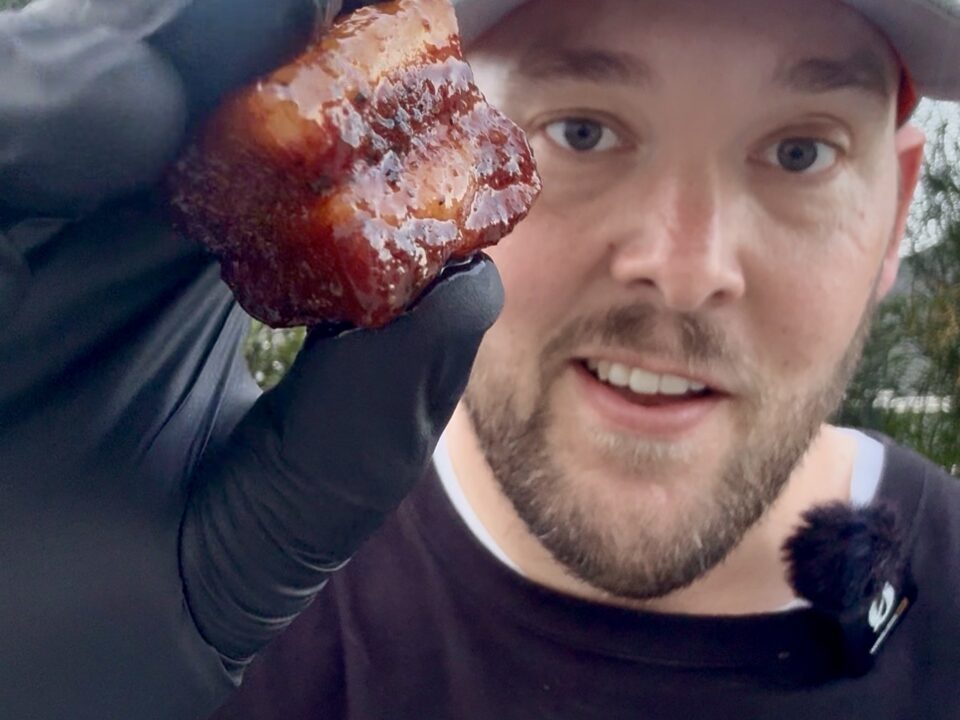
Maple Pork Belly Burnt ends are the appetizer you didn't know you needed. They are sweet, salty, buttery and delicious.